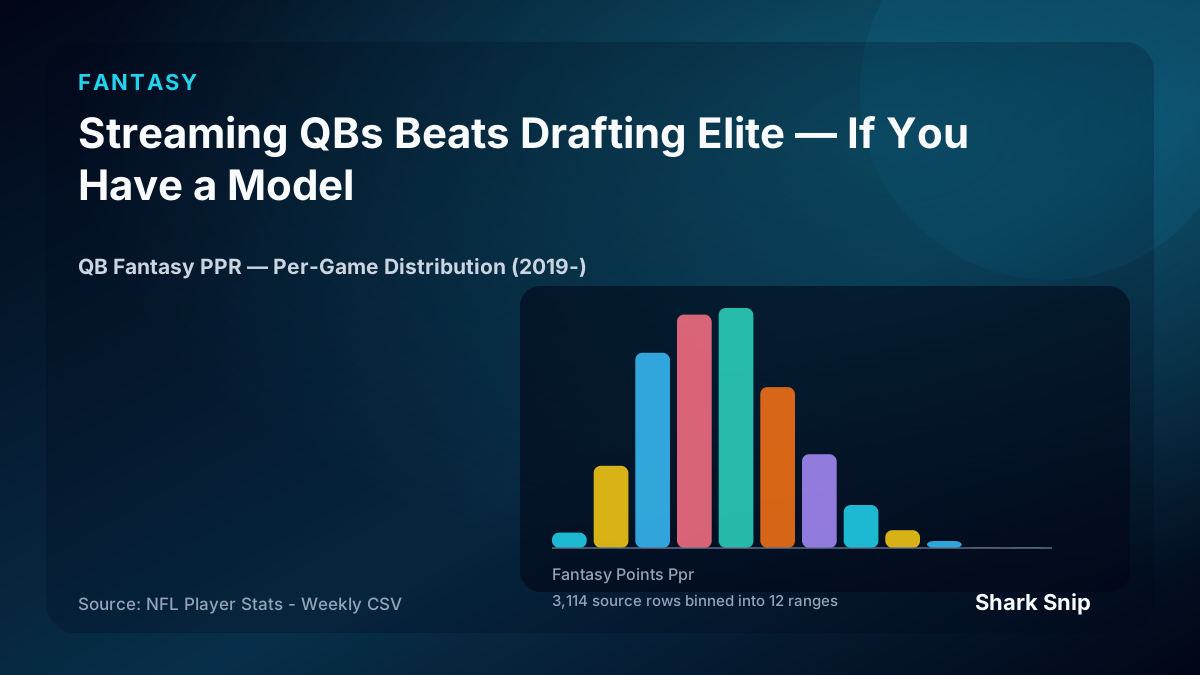
Streaming quarterbacks is not an automatic win and late picks do not always beat early ones. The case is narrower: in a single-quarterback league with a healthy waiver pool, you can replace one expensive season-long bet with a series of cheaper weekly decisions. That can work only when those decisions use real role and matchup data instead of names and recent box scores.
The core math
Start with replacement level, not a draft-room slogan:
- The elite tier can create a real weekly advantage when the role and offense hold.
- A baseline starter can remain playable without carrying an early-round price.
- A matchup-streamed QB is useful only when the available pool keeps producing credible alternatives.
The draft wager is the opportunity cost. Streaming succeeds when the running back or receiver selected instead of an early quarterback improves the starting lineup more than the quarterback downgrade hurts it. A bench player who never starts does not create that benefit. Count usable lineup spots, not names collected.
Why the gap can be smaller than you think
Three structural reasons deserve attention:
Compression at the top of the QB position
The best quarterbacks can separate, but weekly scoring still overlaps across much of the position. The model-vs-consensus guide is useful when it explains why a current role or matchup moved a player rather than treating preseason rank as permanent.
Matchup-driven scoring at QB
Game environment can move a quarterback projection sharply. Pass volume, opponent pressure, offensive injuries, weather, and likely game script can separate two otherwise similar starters. A soft opponent cannot save a player whose role is uncertain or whose offense is designed to hide him.
Volume floor is similar across the position
Many established starters operate within comparable passing-volume ranges, which makes context important. Confirm the player will control a normal offense for the full game before giving matchup quality any weight. One exciting opponent split is not a substitute for a stable role.
How our model picks streaming targets
A useful weekly model should expose the inputs it can actually source before kickoff:
- Opponent pass-defense context. Use an opponent-adjusted view and keep the prediction window explicit.
- Expected scoring environment. Treat market information as one input, not an order to start the player.
- Pass-rate tendency. Identify offenses willing to throw across different game scripts.
Those inputs belong behind a role check. The start-sit tool is most useful as a comparison surface: inspect why one option moved ahead rather than accepting the rank as a command. The Workshop can expose the same assumptions for review.
When NOT to stream
Streaming has known weaknesses. Recalculate the strategy when the format changes replacement level:
- Superflex or multi-quarterback leagues. Starting demand can strip the waiver pool.
- Passing-touchdown bonuses. League scoring can widen the advantage of quarterbacks who create more passing scores.
- Best ball with deep benches. Ceiling and roster construction matter differently when lineups are selected automatically.
For a conventional single-quarterback league, the decision still depends on the room. When the waiver pool collapses or managers begin carrying extra quarterbacks, trade for stability or hold the best option already rostered.
Practical streaming workflow
Keep the weekly process simple enough to repeat:
- Read the room before drafting. Compare the quarterback tier with the best alternative player at the pick. The ADP value tiers framework makes that opportunity cost visible.
- Refresh the pool before waivers. The fantasy hub provides current context, but the role evidence still needs to be checked.
- Compare the current starter with the best available option. Do not churn merely because a projection moved slightly.
- Plan around future scarcity. Watch bye weeks and likely roster pressure without assuming a distant matchup will stay unchanged.
- Price the claim. The FAAB strategy guide separates “worth adding” from “worth an aggressive bid,” and the tight-end premium guide applies the same replacement logic elsewhere.
The flexible roster slot
Streaming can preserve a flexible roster spot, but only when the league allows you to replace the quarterback without taking a dead lineup. That flexibility can hold a running back or receiver while the next waiver decision develops. It is an option, not free points.
Bottom line
Streaming is a tool for leagues where weekly choice remains available. It rewards managers who refresh the role inputs, compare the opportunity cost, and pass when the pool offers no credible option. That is a repeatable process. “Late quarterback always wins” is not.
Use the start-sit tool to compare current options, then keep the decision card: starter status, projected pass volume, offensive injuries, opponent pressure, weather, and remaining alternatives. Review whether the role read was right after the week instead of rewriting the logic around the result.
Prove the streaming picks before you trust them weekly
Any streaming system can look smart in hindsight when misses disappear from memory. Train on earlier weeks, evaluate on later weeks, preserve every eligible recommendation, and keep the prediction window visible. Do not invent a success threshold after seeing the results; compare the model with a declared baseline on untouched data.
A useful model can explain which input created the ranking and what would make it change. Build or inspect that process in /build, keep live receipts separate from backtests, and treat an honest “no playable streamer” state as better than a forced recommendation.
Average NFL total points by recorded weather bucket
Average combined score is grouped only from completed NFL schedule rows with a recorded indoor roof state or numeric wind value.
NFL ATS cover-margin distribution
Bars count completed NFL schedule rows by closing-spread cover margin using the repository canonical home-margin grading convention.